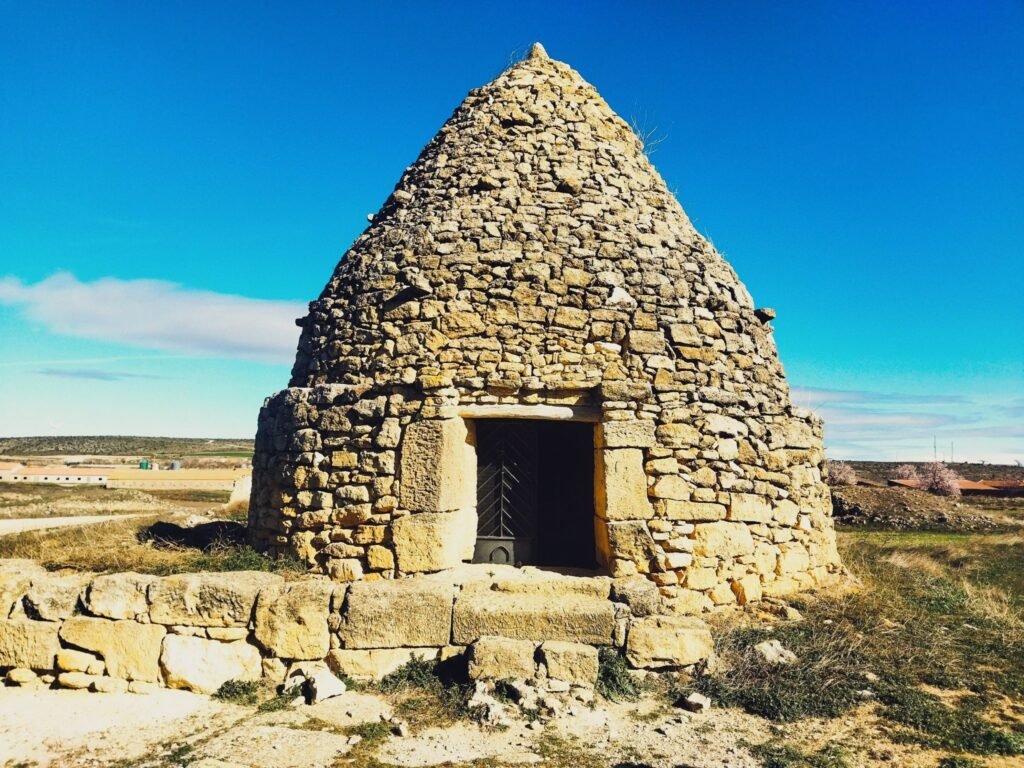
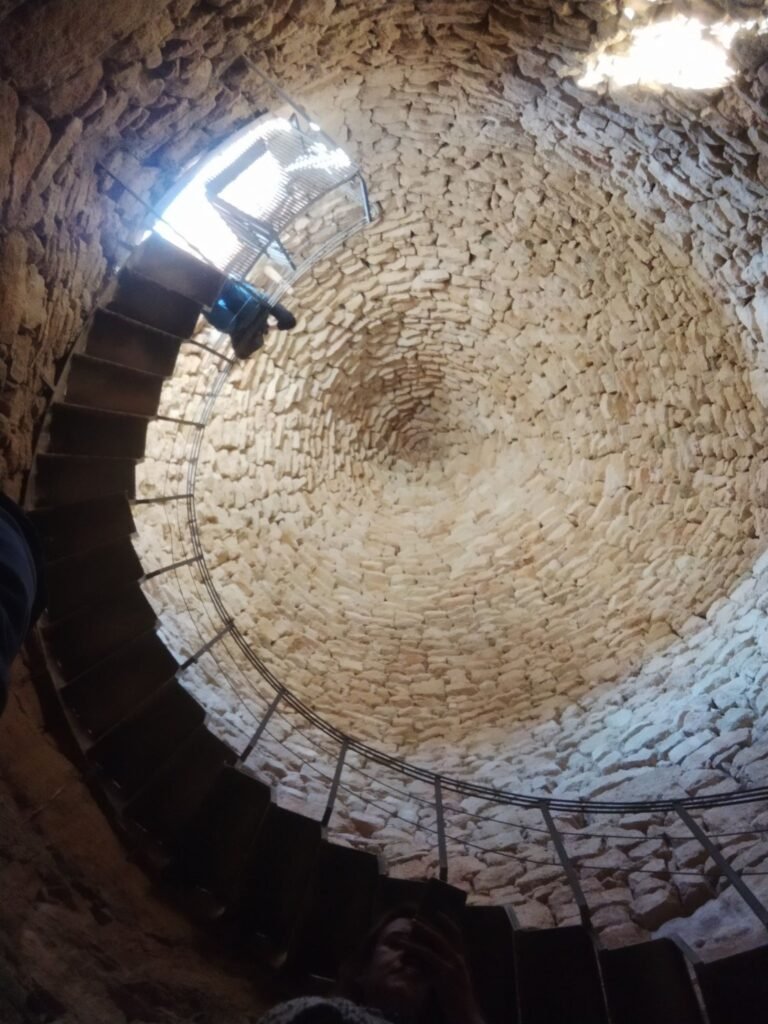
Dotted here and there in mountainous areas of Eastern Spain – as far south of Murcia – are curious round, stone constructions, sunk deep into the ground. Known as neveras or pozos de nieve, these ice wells were built in the 17th and 18th centuries to supply towns, hospitals and the homes of the rich. You’ll be lucky to see much snow in these sierras today, but in the past things were decidedly cooler, and snow would be piled into the wells and compressed to form ice. More than 1000 survive.
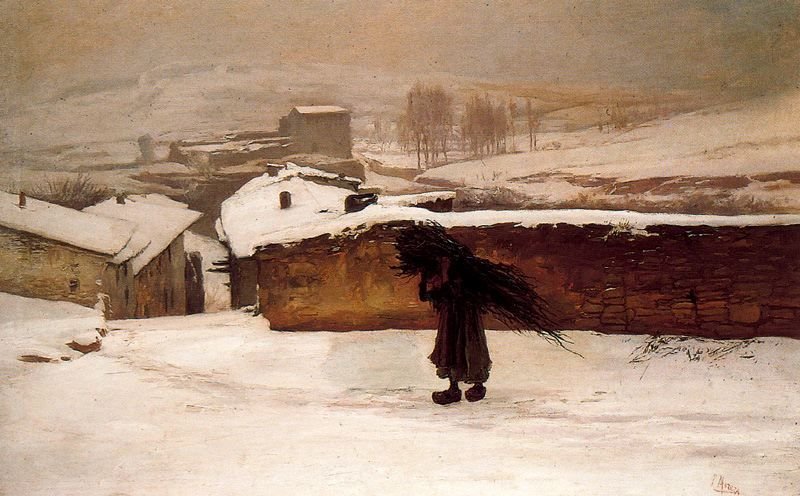
They date from a period known as the Little Ice Age when temperatures between the 16th and 19th centuries were several degrees lower across Europe – the images of ice fairs on the Thames and the abandonment of the Norse colony of Greenland are oft-cited examples of its cooling effects. Large numbers were built across the sierras of the Spanish Mediterranean around which developed a lively business in ice production and distribution. The remains of some 70 wells exist, for instance, in the Serra de Montseny in Catalonia, supplying principally the city of Barcelona. Ice wells began to fall into disuse in the late 19th century when industrial ice production, not climate, made them inviable, although global warming and much less snow in the last 50 years would make ice production very difficult today.
Domestic use of ice for preservation was commonplace in Spanish cities until the arrival of cheap fridges in late 1960s and most homes had an ice drawer or box from which you would break off bits of ice. A friend of mine bears a scar, a heritage mark if you like, on her little finger from cutting herself while doing this as a child in 1960s Barcelona. For an Englishman this is curious. Until the arrival of electric fridges, only the rich in Britain used ice at home. From the 1960s, most Brits went straight from a cold larder to the electric fridge, and even by 1970 still only 58% of British households owned one, while the figure in a warmer but also far poorer Barcelona was probably closer to two-thirds. source
There is also ample evidence of glaciers expanding in Spain during the Little Ice Age. The small glaciers of the Picos de Europa and the Sierra Nevada, which finally succumbed at the end of the 20th century, probably originated at this time, rather than dating from the last true Ice Age, as the warmer centuries of the so-called Medieval Optimum, a phenomenon restricted to the North Atlantic, unlike today’s planet-wide warming, had probably already melted them. Pyrenean glaciers were also principally formed during this cold period and have been slowly melting ever since its end.
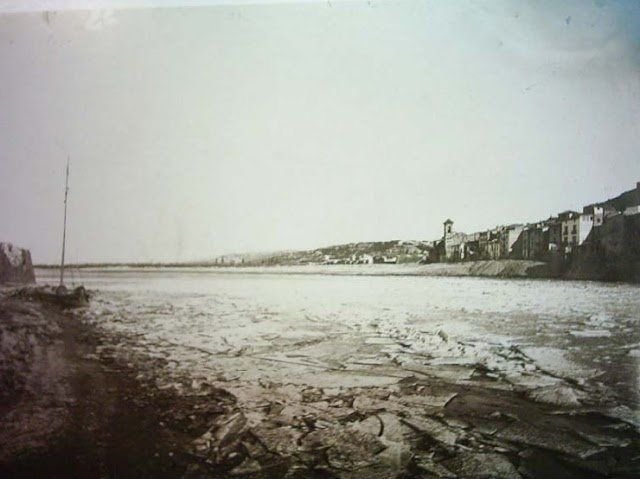
Studies have also shown four periods of severe weather in Spain during these cold centuries, marked by heavy rains, snowfalls and sea storms. For example the Ebro froze at Tortosa, 15km from the Mediterranean on seven occasions and as late as 1891, something that would seem unthinkable today. The years of heavy rains were interspersed with interludes of severe droughts, which is partly backed by surely one of the most bizarre attempts at deducing a historical climate: extrapolating from prayers for rain to produce a yearly rainfall graph. Further afield, it has also been seriously suggested that the terrible storms of 1588 which wrecked the Spanish Armada may have been associated with a high accumulation of polar ice off the Greenland coast, a characteristic phenomenon of this period.