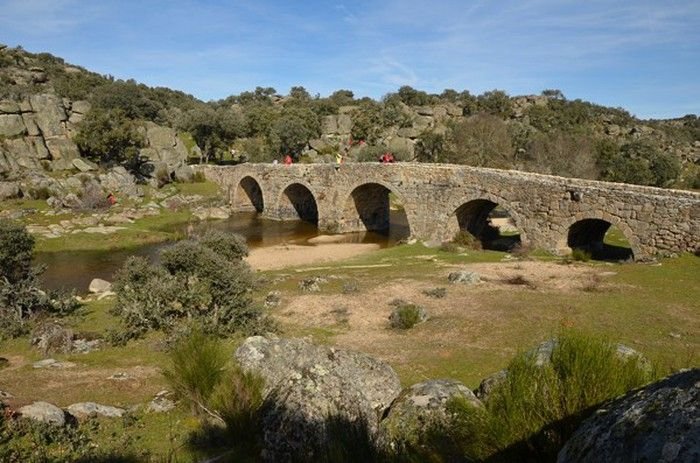
Puente Mocho. I would love to walking over this medieval bridge now, following the Roman road through dehesa woodland, past Iberian pigs, black storks and imperial eagles overhead. Near Ledesma (Salamanca). Photo Wiki
Sakoneta, Flysch de Zumaia, spectacular sea cliffs, rock beach, brooding sky, scuttling crabs.
This is one of most amazing geological formations I’ve ever seen. These vertical layers run for 8 kilometres along the Basque coast, each a rock page, forming a book covering 60 million years of planet’s history. Created when Iberia crashed into Europe and things went all squishy.
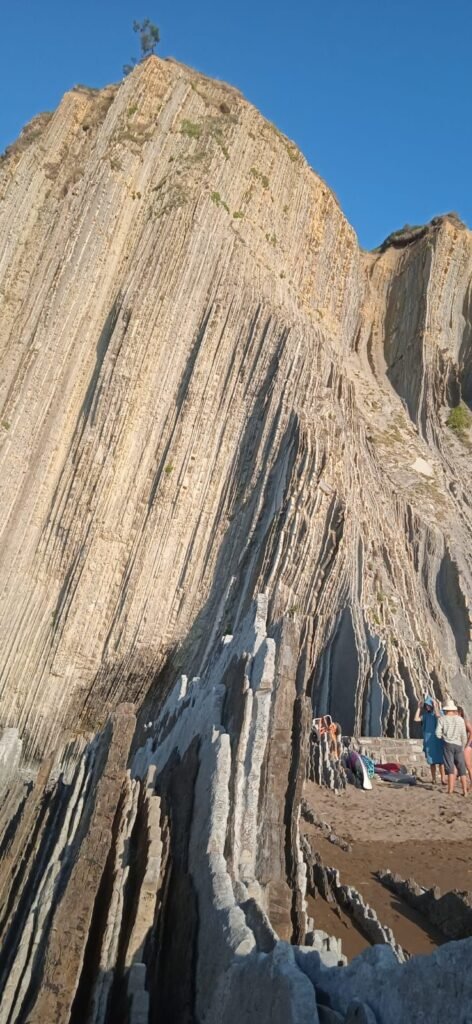
(I also learnt here crab in Basque is karramarro).
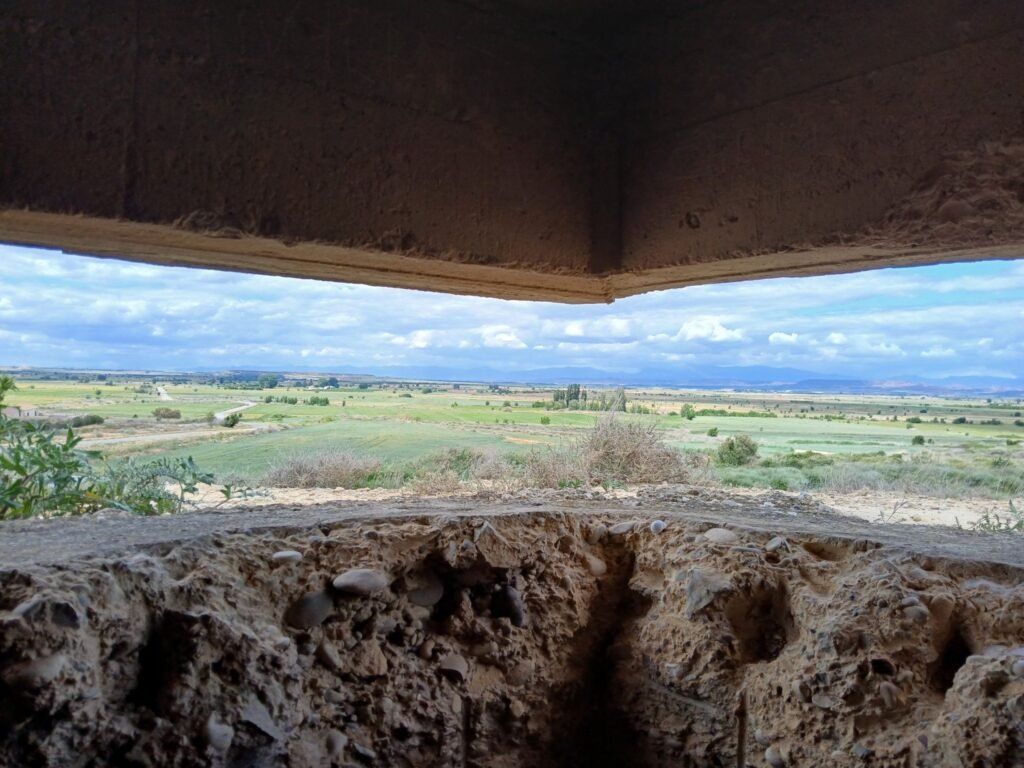
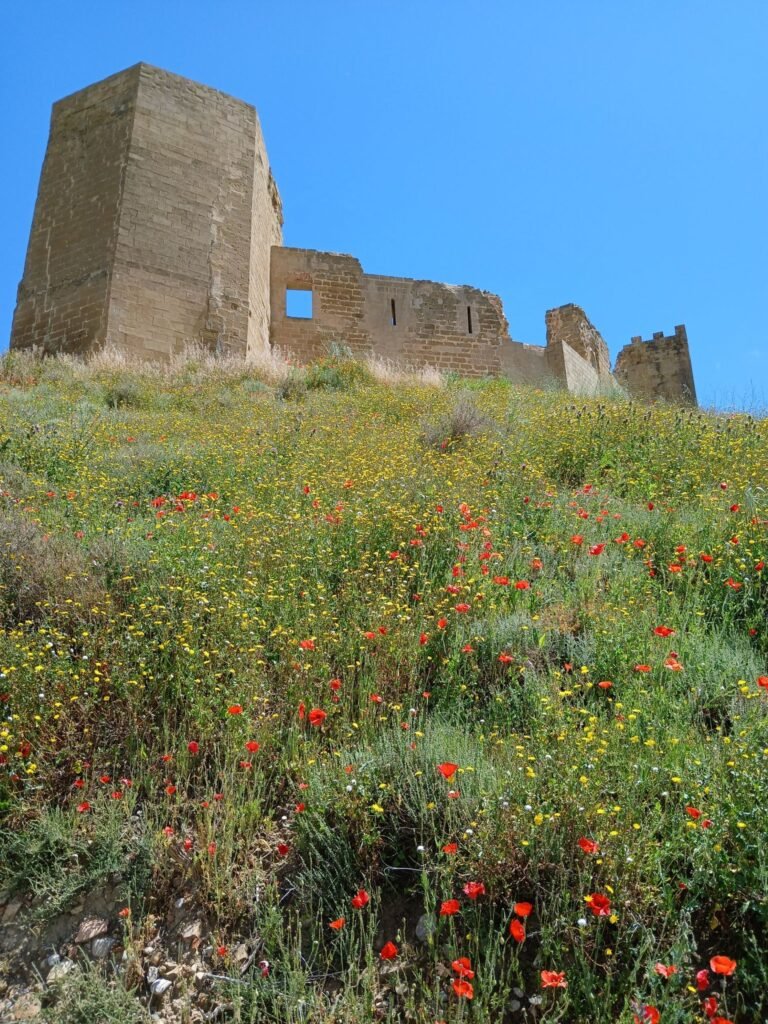
On the way up to Montearagón castle, taken by the POUM mlitia in September 1936.
Ridiculously beautiful wildflowers like a Monet, a griffon vulture sonewhere above. Always a vulture somewhere over your head in Aragón. With the Orwell Society one May.
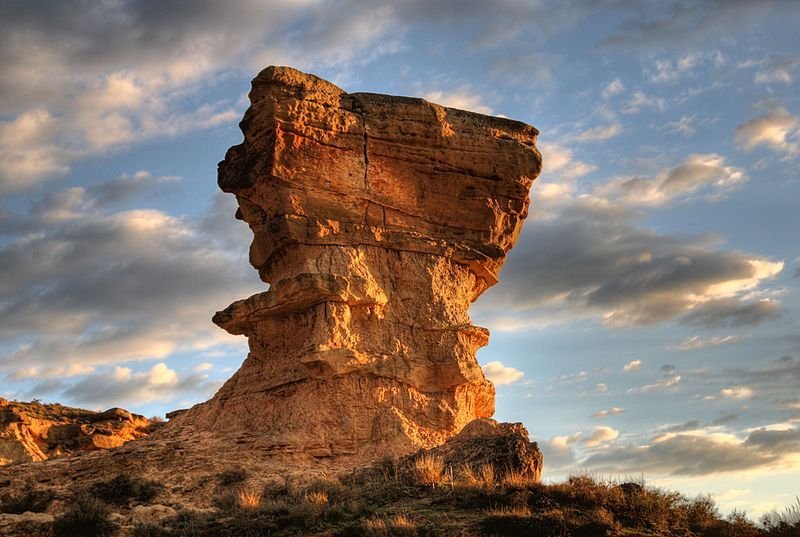
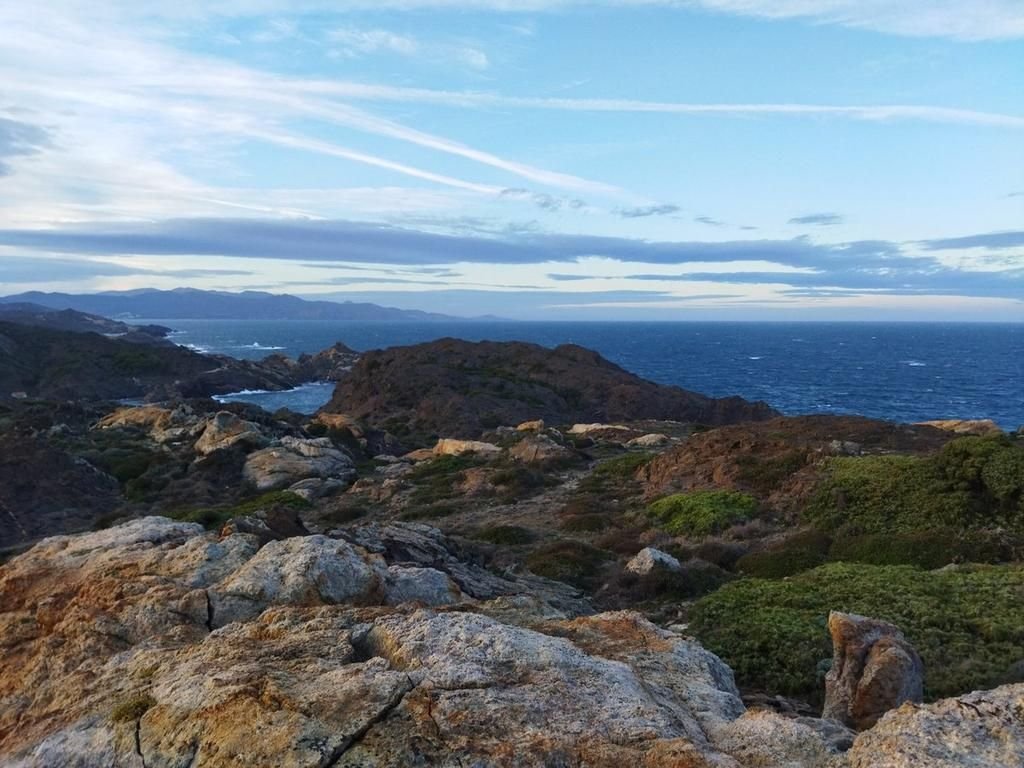
Cap de Creus, where the Pyrenees ends, falling into the sea in a riot of schist and fantastical erosion. Last year’s sky swept clean by the Tramuntana wind, crystal clear light. Salvador’s childhood landscape, Dalí’s dreamscape.
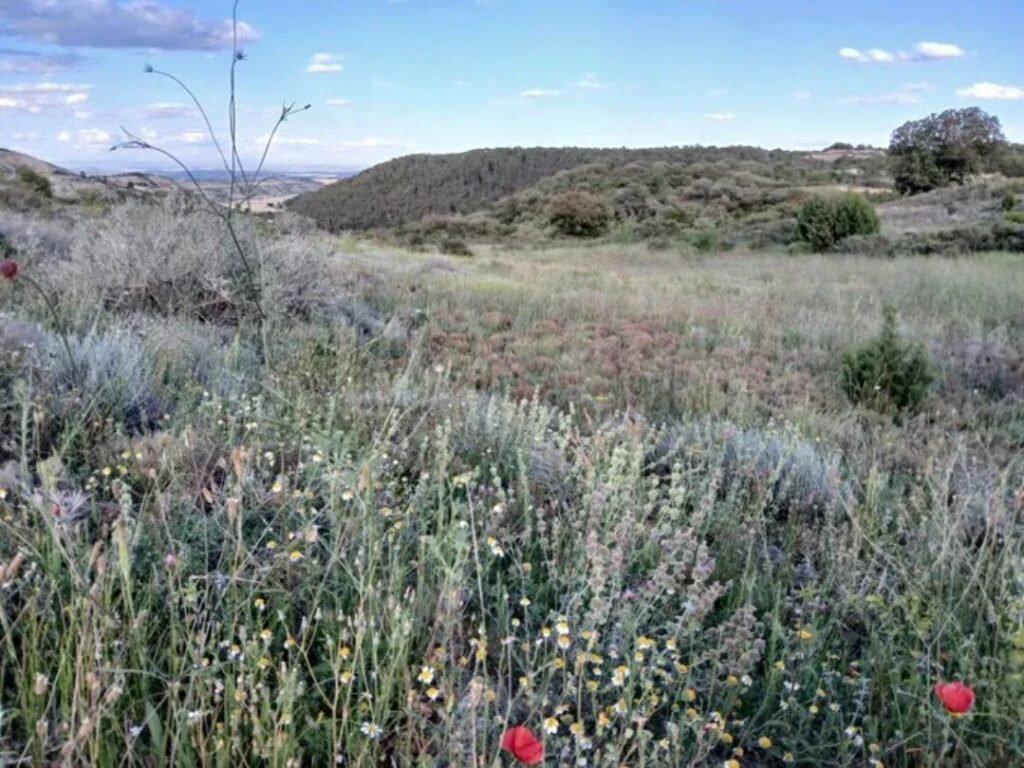
Wildflowers ablaze one spring on the slopes near where George Orwell fought with the POUM militia in the Sierra de Alcubierre.
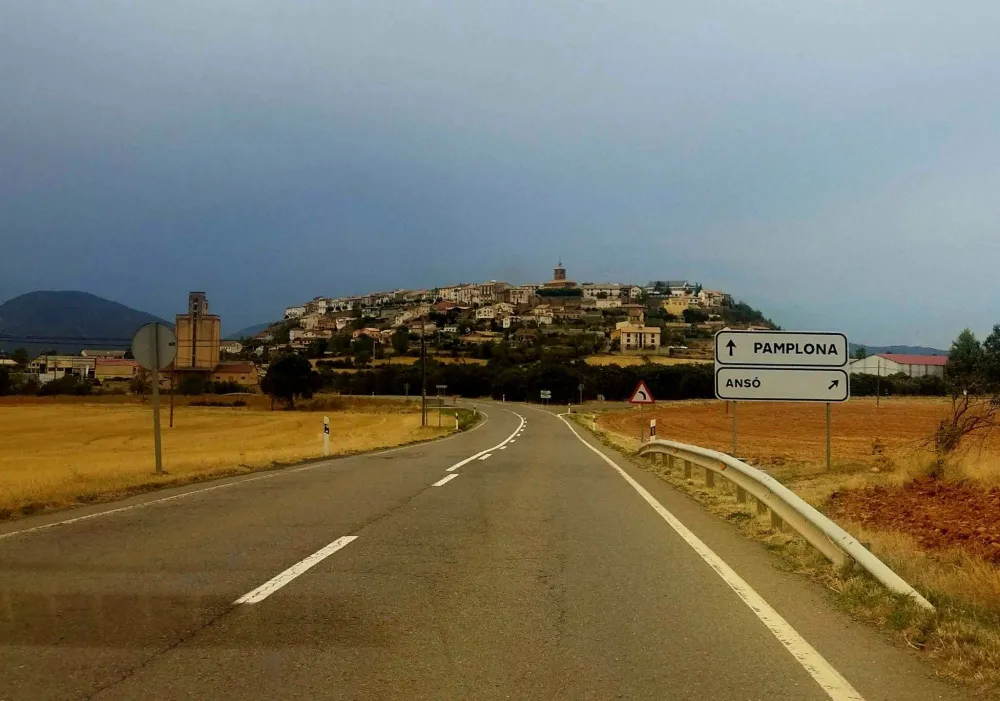
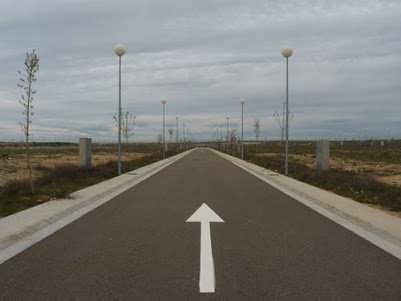
I would love to be driving again on this road today watching the Peninsula pass by.
(N-240, Berdún. Huesca, one summer)
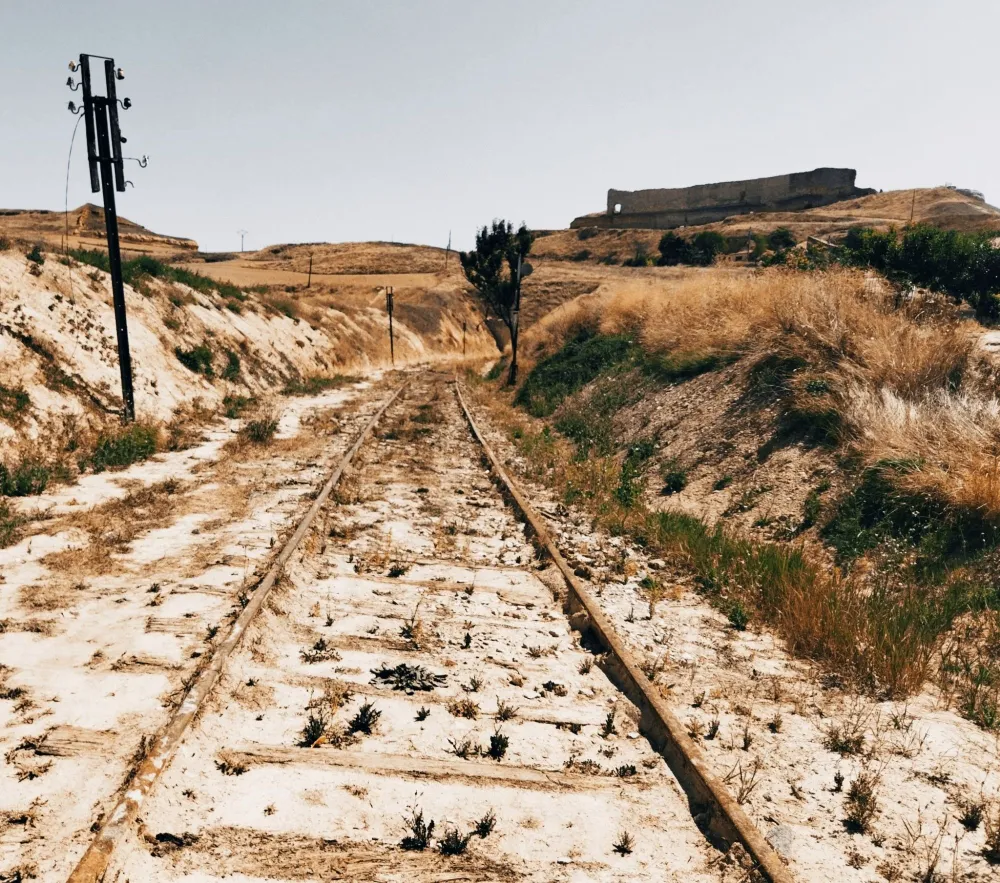
Abandoned train line. San Esteban de Gormaz, Soria in August heat several years ago. 1000s of kilometres of lines were lost in the 20th century, Many are now idllyic cycling and walking routes but others like this in 1995, closed. A symbol of la España Vacía/da (Empty/ied Spain) as the tragedy of the depopulating hinterland is called.
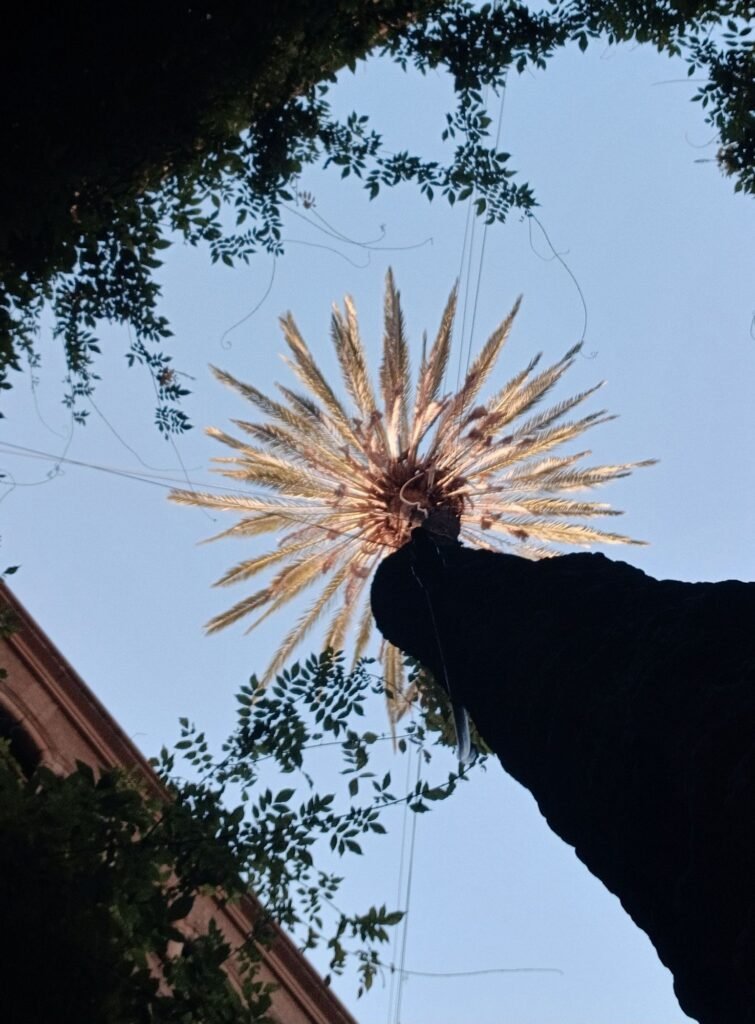
Date palm, possibly the oldest in Barcelona, planted in 1873 in the Casa de l’Ardiaca (Archdeacon) next to the cathedral.
In the late 19th century Spain, palms were very much associated with the “Indianos”, hardworking, often ruthless men who made their fortunes -one way or another- in the Indies. They form an essential part of the landscape of many coastal areas of Spain.