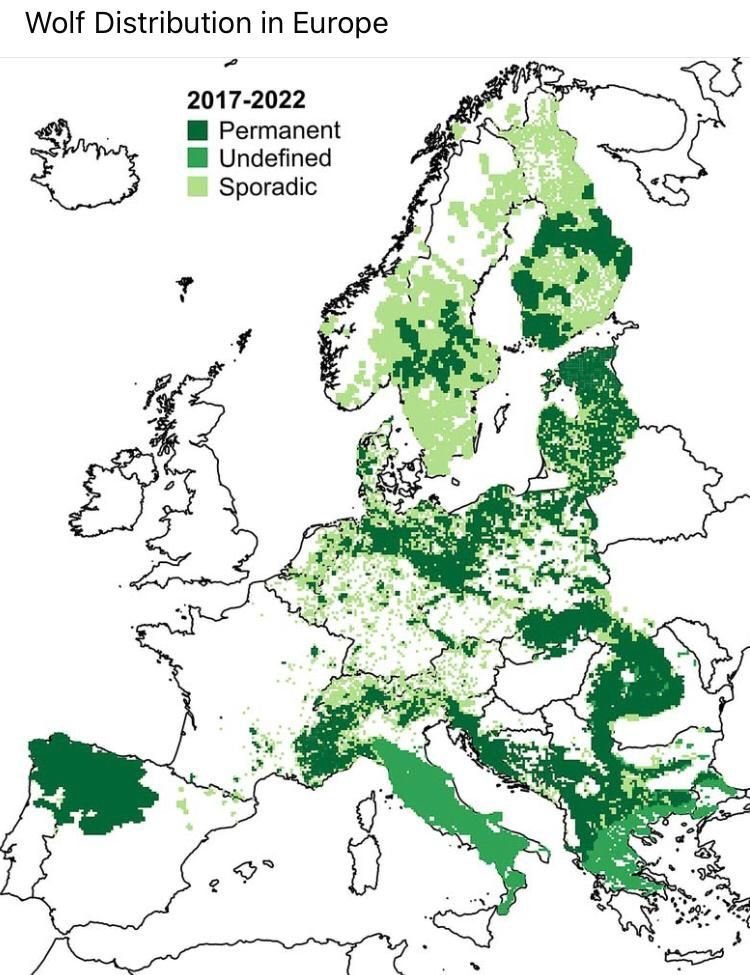
Wolf range across Europe. While wolves have expanded massively across the continent in the last 30 years, distribution in their Spanish stronghold despite the huge amount of suitable wild land, has remained stagnant. As soon as they leave their “traditional” areas, it’s shotguns and strychnine.
This was pretty amazing. An albino (or more likely leucistic) bat in Montjuïc, Barcelona. Quite spooky and looked much bigger than in the video. Apparently very, very rare in bats as far I can understand talking to people. A few years ago with my partner Mònica Navarro.
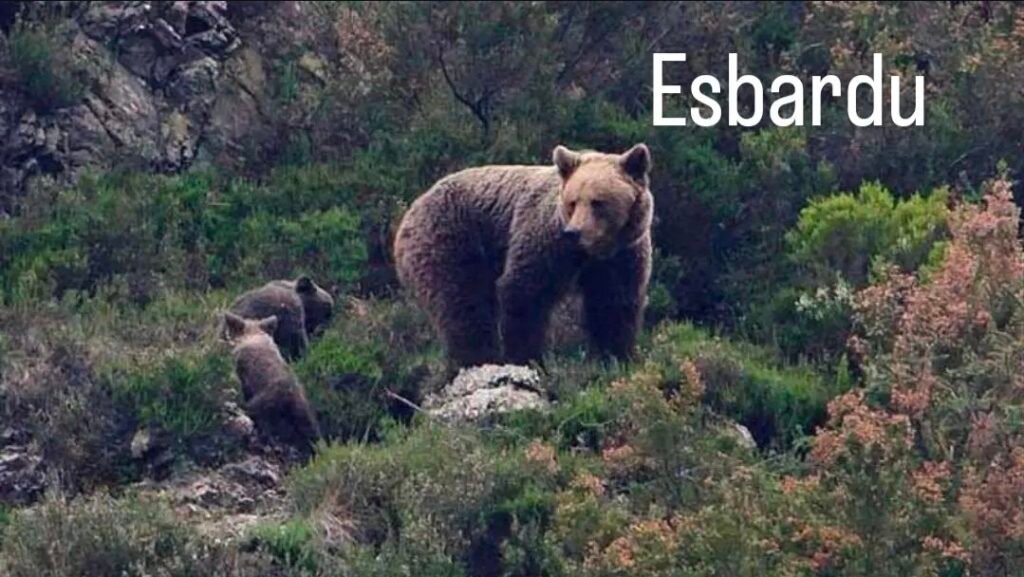
Esbardu. A lovely Asturian word meaning bear cub. Some 370 brown bears now live in the Cantabrian mountains, on a steady path to recovery after a a nadir at the turn of the century. Photo. @fundacion_oso_pardo
The Cantabrian bear population is distributed across the autonomous communities of Asturias, Cantabria, the Castillan regions of León and Palencia, as well as in recent years a small part of Lugo I. Galicia. Historically, the population declined until the late 20th century, but a recovery period began in the mid-1990s and continues to this day.
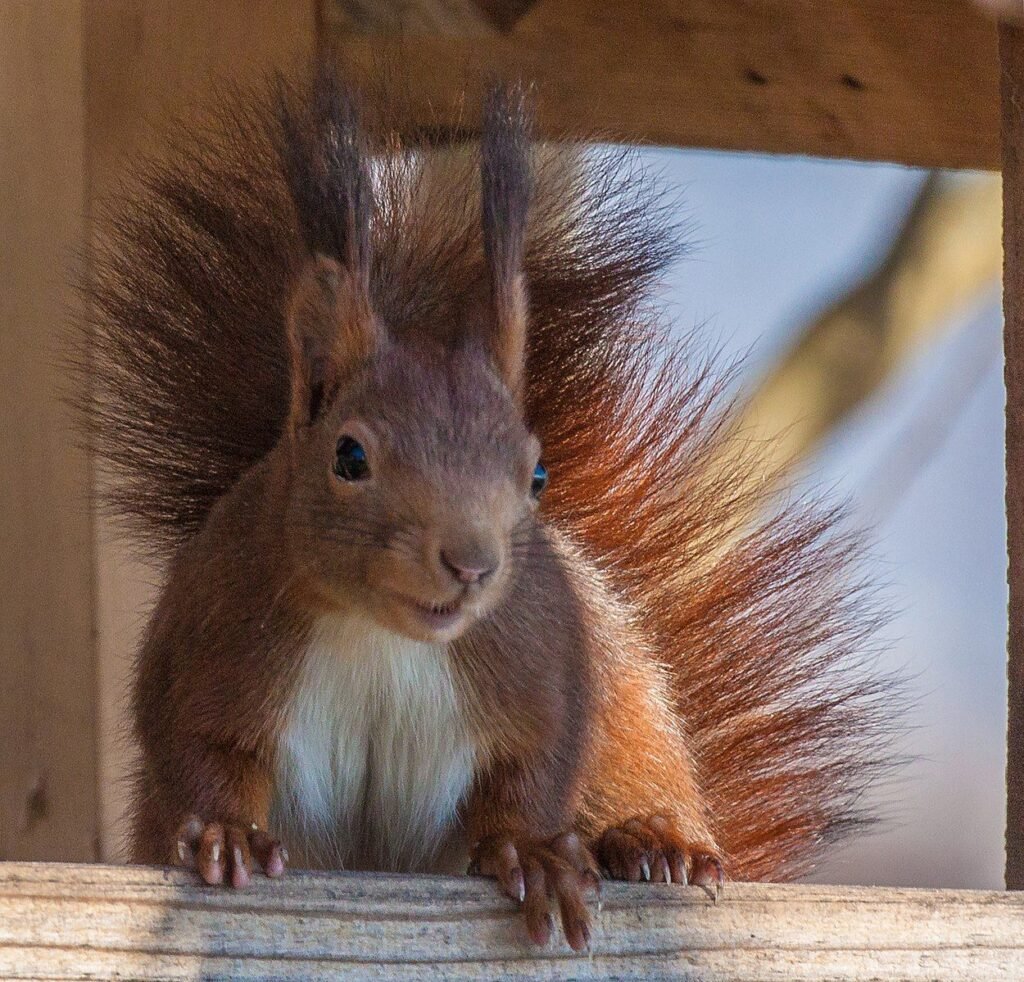
Katagorri, a lovely word in Basque for squirrel. (Also Urtxintx) Ardilla in Spanish, Esquirol in Catalan. Esquío in Galicia 📷Fischer.H (Wikipedia)
Many years ago, an old anarchist bookseller from the Raval assured me that squirrel was the most delicate meat he had ever eaten. Nowadays, it is better to let them play in the trees.
There’s a song from the 1960s:
Nik ere nahi nuke Izan urtxintxak bezala Hain gora, hain trebe, Izaiteko libre
I, too, would like To be like the squirrels— So high up, so agile— To be free.
Aitor, a friend on social media, a Basque doctor commented:
It’s a song from my childhood, when our language was banned, Franco ruled with an iron fist and freedom was to be achieved yet. We wanted to be like squirrels. A song for children with a deep meaning
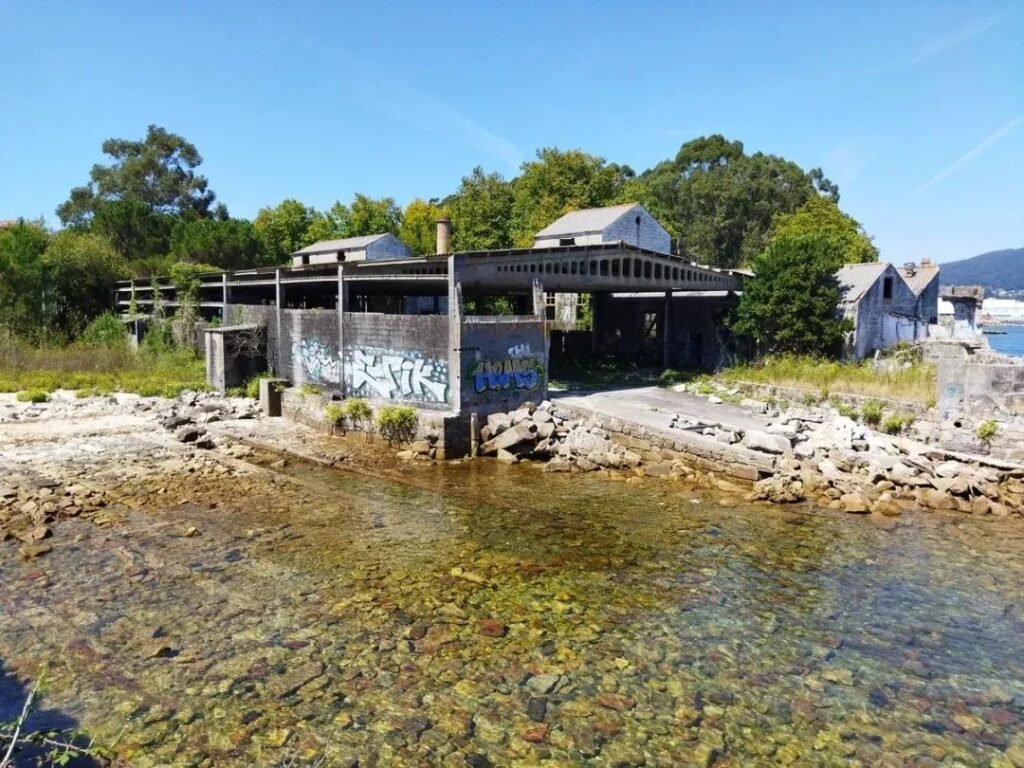
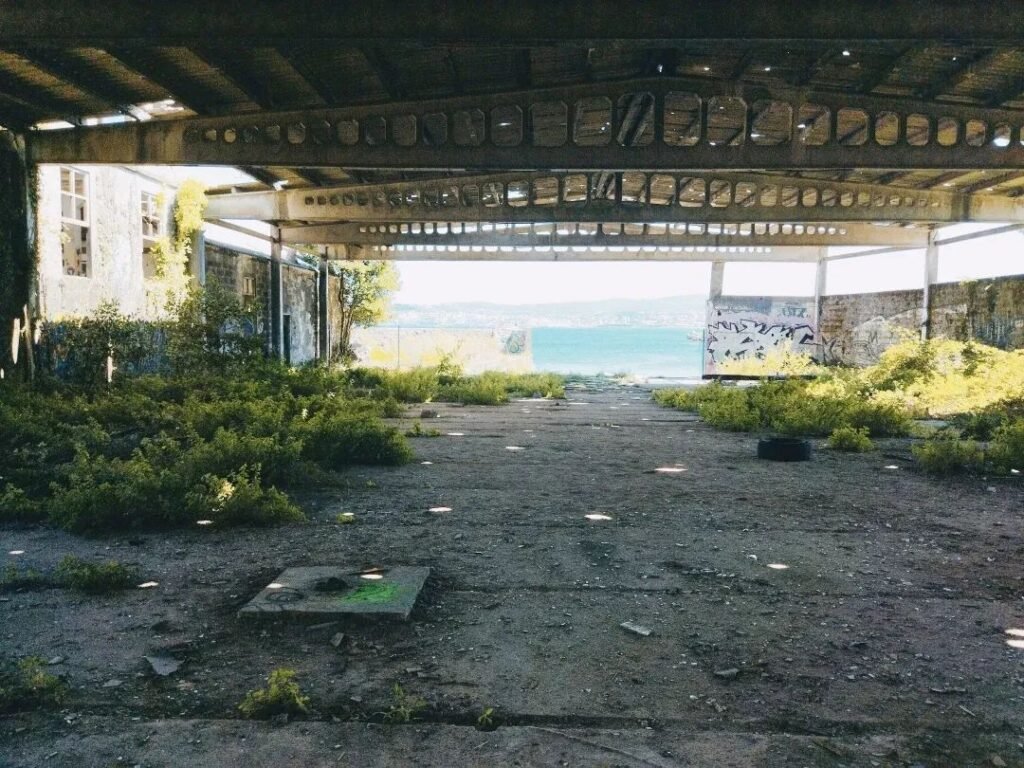
Some time ago I sneaked inside the abandoned whaling station at Cangas de Morrazo run by the Massó family tinning company. There are remains of another small whaling factory in the Cíes’ southernmost island.
This was more or less where in 1980 Galicia’s and Spain’s whaling industry ended. The factory is in a right mess. It would make a great site for a museum to the history of that evocative, cruel and sorry business.
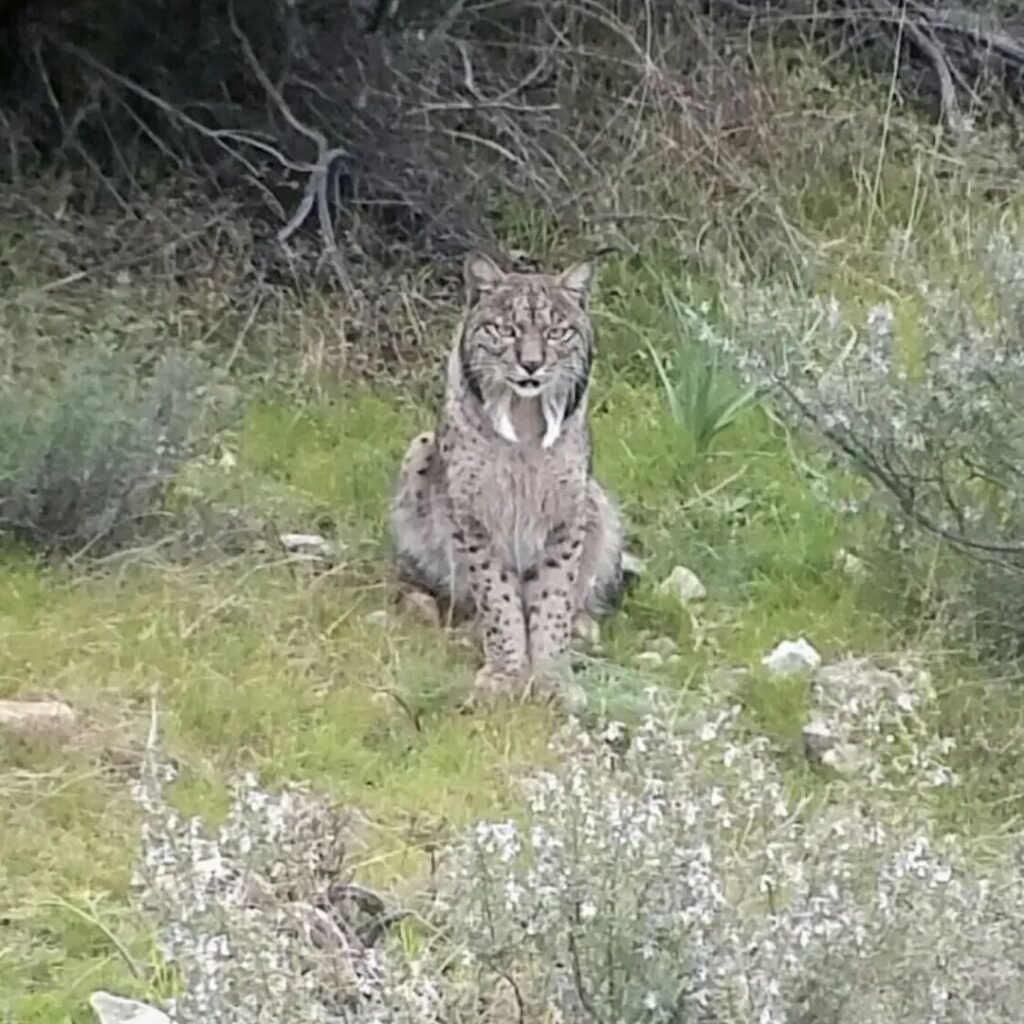
Some years ago in January, I watched this beautiful animal in the Sierra de Andújar, Andalucia with the mobile stuck on a friend’s telescope. She was sitting, watching us, unimpressed, about 250 metres away. The next day another Iberian lynx, a male, crossed 100 metres from where we stood before vanishing into the scrub. Enchanted moments in the Sierra Morena.
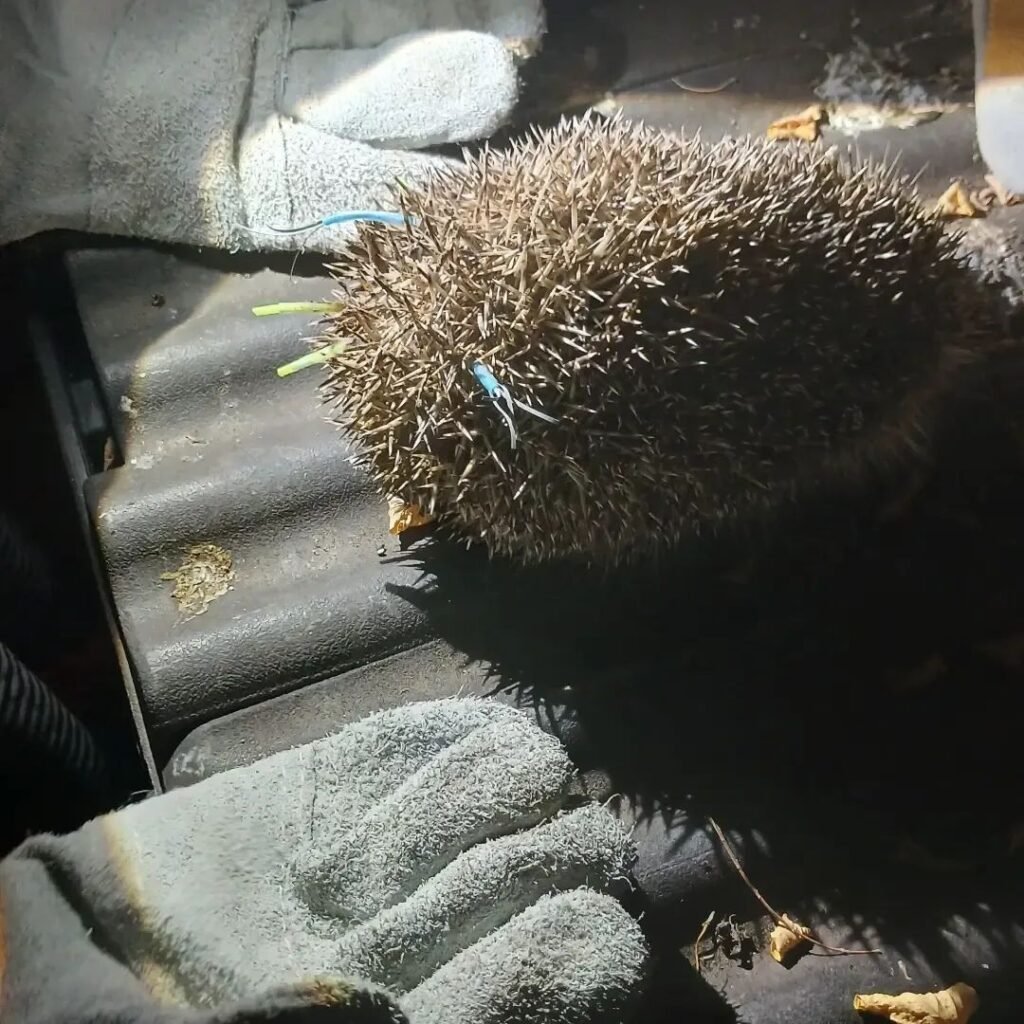
Enchanting late night looking for hedgehogs in Montjuïc as part of a scientific study, to the raucous concert of thousands of frogs and toads, croaking and beeping in the Mediterranean night, barely 30m walk from la Rambla. With Galanthus, Zoo de Barcelona and Ajuntament de Barcelona #barcelonaurbanwildlife
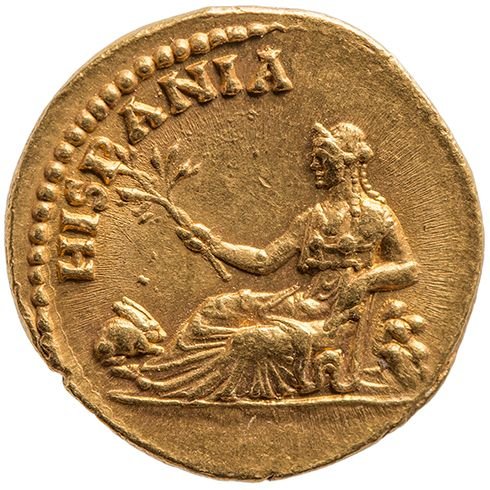
Roman coin of Hispania minted during the reign of Emperor Hadrian between 130 and 138 CE. It bears a distinct rabbit, endemic to Iberia and exported elsewhere. The most widely–accepted theory says Phoenicians called Iberia i-shepan-im, the Land of Rabbits (or to be more precise the land of hyrax north African animals they confused) which then became Hispania.