Pyrenees (v) Port de Ratera
Aiguestortes and Sant Maurici national park, Mammals, Pyrenees, Trip reports | Tags: chamois, National Park of Aigüestortes and Sant Maurici, Phyteuma hemisphaericum, Pinus uncinata, Port de Ratera, Pyrenees flora, Rupicapra pyrenaica, saxifraga stellaris, walking holiday in the Pyrenees, walking in the Pyrenees, walking the GR 11, wildlife in the Pyrenees|


 The autumnal migration of cranes (Grus grus) into Spain usually takes place inland, over the Pyrenees. On the last weekend of October there was an abrupt change in the weather, with temperatures plummeting and an extremely strong north wind. On
  It’s the time of year for unusual sightings in unexpected places. Recent observations recorded on
 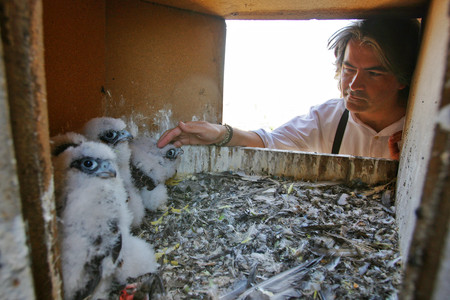 Shortly after being born, this year’s brood of Peregrine falcon chicks were stolen from their nest in one of the Sagrada Familia towers. The robbery took place out of range of the web cam installed. Visitors have no access to this tower, but there are always plenty of workers milling around, since the Sagrada Familia is still under construction. Eduard Durany, responsible for monitoring Barcelona’s Peregrine falcons, emphasises the need for better security. Last year suspicious individuals were spotted trying to take food up to the falcons, who fetch a high price on the black market. After the theft, two chicks born in a wildlife recuperation centre were placed in the nest, but sadly the intended foster parents rejected them. See also the report on the ringing of
 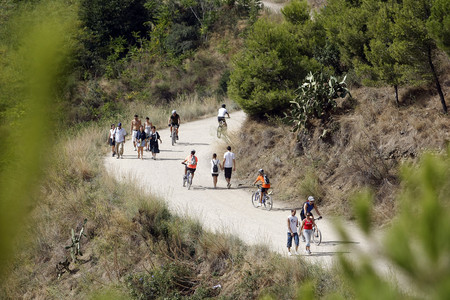 After considerable procrastination,
  The areas of Barcelona nearest to the Collserola hills are now quite used to visits from the natural park’s thriving boar population, particularly at the end of summer when the ground is rock-hard and food supplies scarce. But on Saturday night a family of boars was seen trotting through Gràcia, a central barrio of the city, accessible only after crossing an extremely busy ring road. The same family has been observed this August exploring Gaudí’s Güell Park. There’s a
